Define
Understand the intended use, user needs, technical constraints, and unresolved questions. Establish requirements, system architecture, and a practical development plan.
 MedTechWare
Medical products take shape through connected decisions. A user workflow affects the software. An enclosure changes the electronics layout. A control strategy changes the mechanical system.
We bring those decisions together around a shared product definition, then work through the engineering needed to make it real.
See industrial design in practiceSoftware and electronics are at the core of MedTechWare. We work with recurring development partners in mechanical engineering, industrial design, and other specialist disciplines to support the complete product.
The program defines who delivers each part of the work, how decisions are made, and where the teams come together for integration.
Explore software & electronicsEach stage should answer the questions that matter to the product. We shape the work around your starting point and the evidence needed for the next decision.
Understand the intended use, user needs, technical constraints, and unresolved questions. Establish requirements, system architecture, and a practical development plan.
Use focused prototypes to investigate feasibility, compare approaches, and learn about the product’s most important technical uncertainties.
Build software, electronics, and physical components around agreed interfaces. Bring them together early enough to see how the complete system behaves.
Connect requirements to testing, resolve integration issues, and organize the technical information needed for the next development stage or manufacturing transfer.
Form, layout, handling, and interaction affect how a product is used and how it can be built. Industrial design makes those questions tangible while there is still room to evaluate alternatives.
We connect that work with the system’s electronics, software, packaging, and practical engineering constraints.
Sketches make alternatives visible. Physical models let a team compare scale, access, handling, and component layout. Engineering then connects the chosen direction with the interfaces and constraints of the complete product.
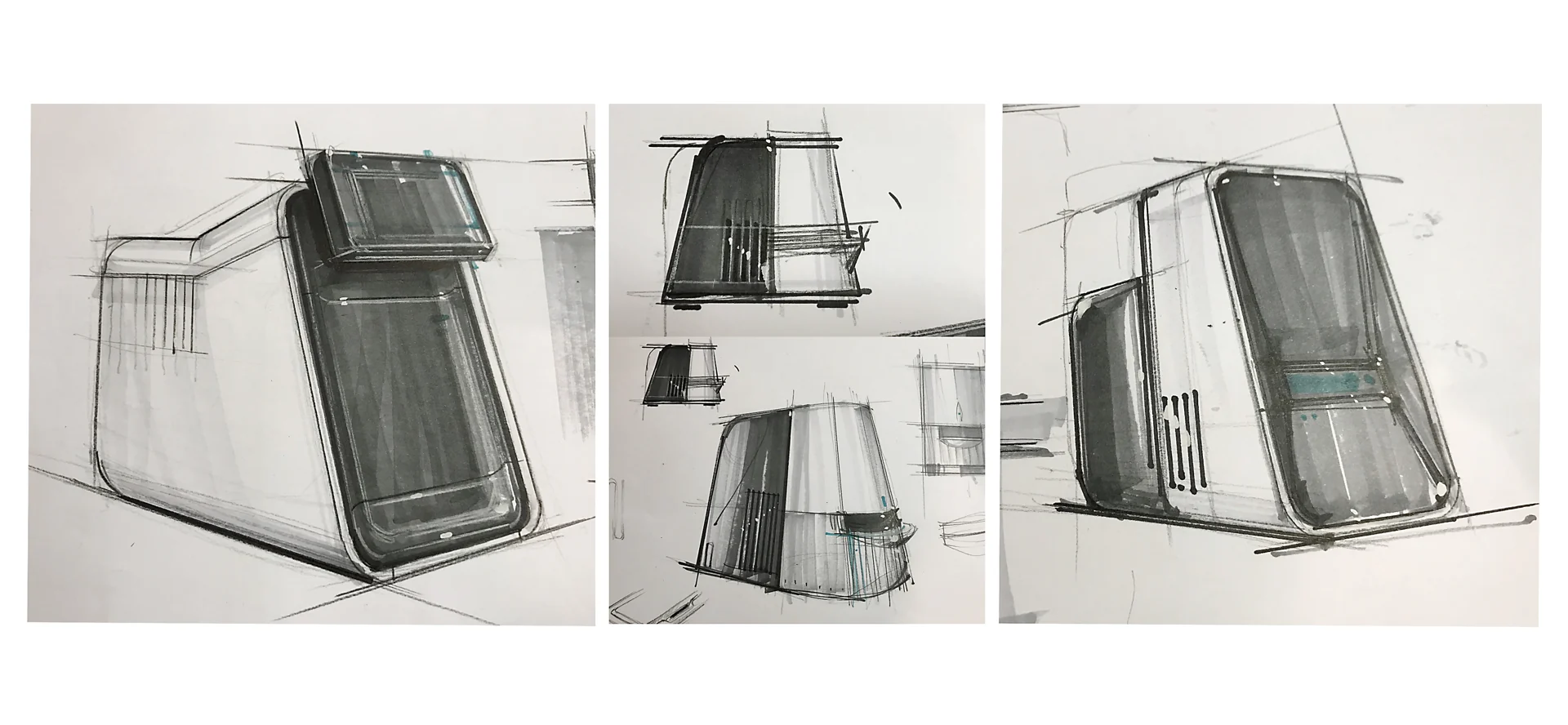
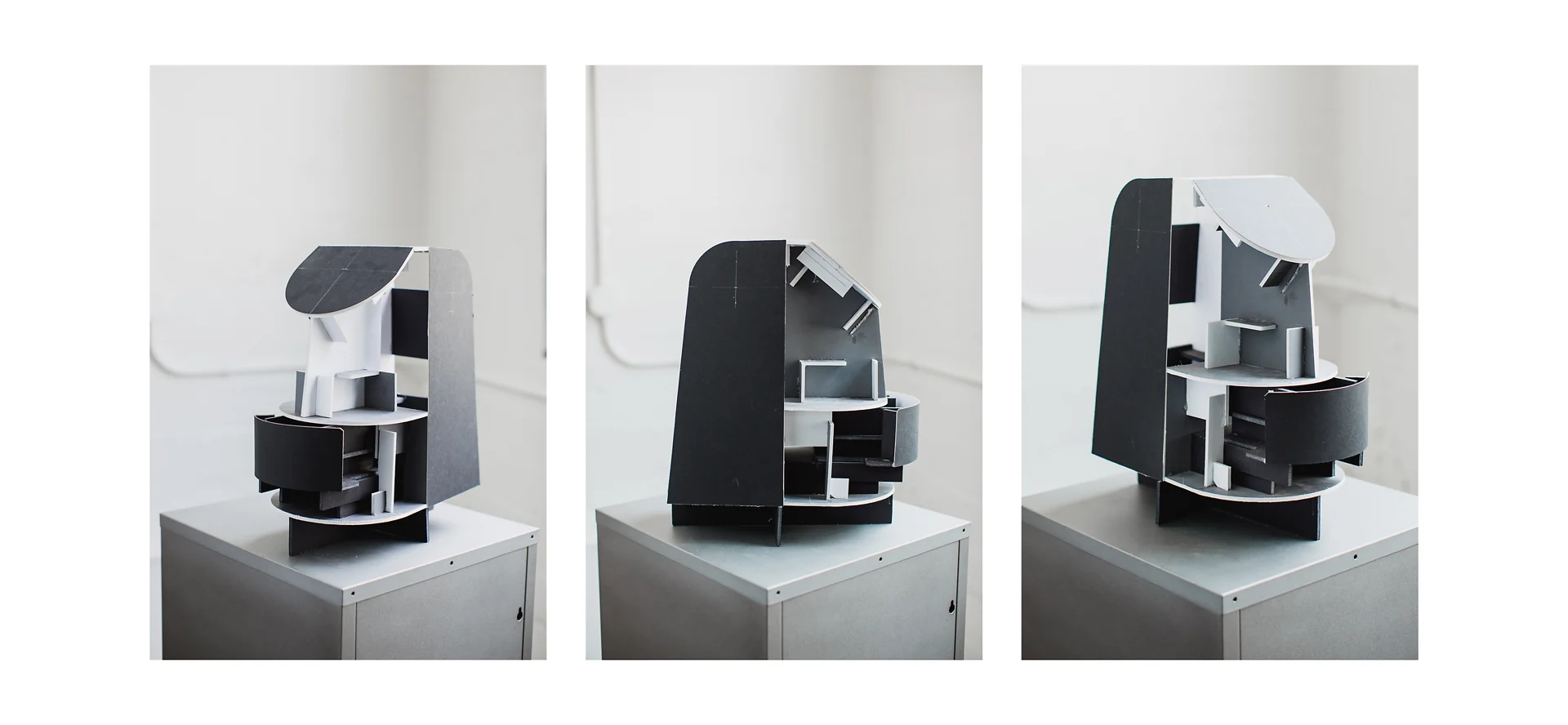
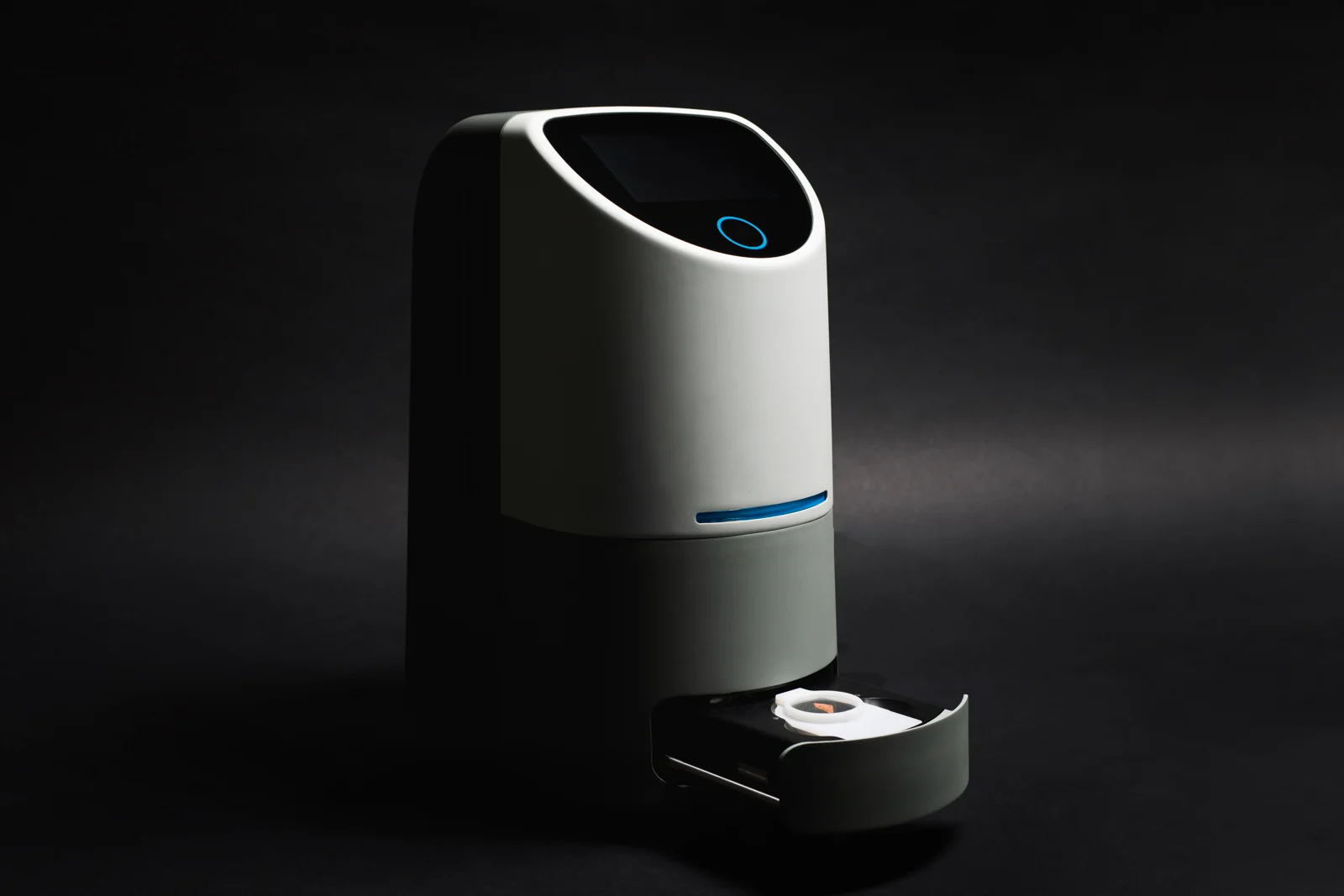
Design studies from the team’s prior work. The images illustrate the progression of product exploration; they are not presented as a new MedTechWare commission.
A working prototype is one milestone. The next team also needs to understand how it works, how it is tested, and what remains to be resolved.
We scope requirements, architecture and interface records, source and design files, test methods, issue resolution, and transfer information around the stage of the program. Specialist partners contribute their discipline’s outputs to the same product definition.
Meet the development model ↗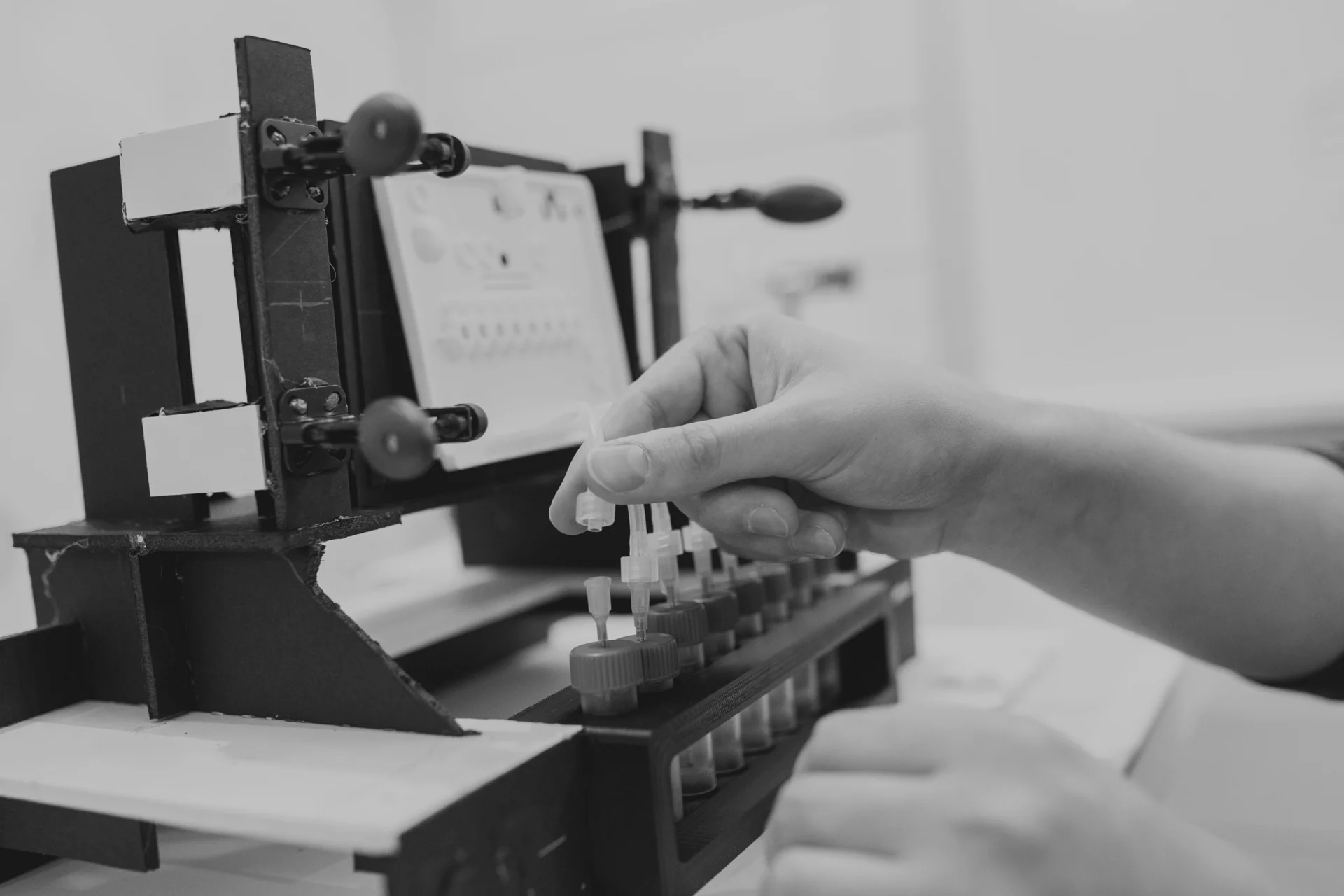
Engage us to define an early concept, develop a product with our partner network, or take responsibility for a focused part of an existing program.
We can also begin with a technical assessment: what is working, what remains uncertain, and what the next prototype or development phase needs to accomplish.
Discuss your product