
Software &
electronics.
Medtech software and hardware specialists. This is the core of MedTechWare: the code, circuits, controls, and interfaces that make a medical product work.
We work directly with firmware, boards, instruments, and integrated systems. Engage us for a defined engineering workstream or the software and electronics within a complete product development program.
Explore our core capabilitiesFrom embedded code
to the complete system.
Our work connects implementation details with product behavior. Each engagement defines what must be built, how it connects, and the evidence needed to evaluate it.
Close to the hardware.
Clear about the timing.
Microcontroller firmware, C/C++ implementation, RTOS tasks, peripheral drivers, and board interfaces. We work through boot behavior, interrupt handling, scheduling, communications, configuration, and diagnostics alongside the electronics.
Timing, resource limits, and concurrency are architectural decisions. Instrumented firmware and practical bench tools help expose behavior while there is still room to change the implementation.
Concrete outputs: firmware architecture, working drivers, task and state definitions, diagnostic tools, and testable interface behavior.
Turn measurements
into controlled behavior.
Control software for motors, pumps, valves, heaters, sensors, and connected mechanisms. We connect signal acquisition, filtering, calibration, operating sequences, and control loops to the physical system being driven.
Representative hardware helps the team investigate startup, shutdown, changing loads, sensor limits, and abnormal conditions. Interfaces are defined with the mechanical and fluidic work in view.
Concrete outputs: control logic, parameter and calibration methods, command interfaces, instrumented prototypes, and bench evaluation results.
Define the response
before the fault.
Operating states, supervisory functions, watchdog behavior, fault detection, and recovery need to work across processors, interfaces, and physical subsystems. We help define responsibilities and evaluate the consequences of a missed, delayed, or invalid response.
Alarm priorities, annunciation, acknowledgement, latching, and recovery are connected to the product’s intended behavior and risk work.
Concrete outputs: state models, fault response tables, alarm definitions, architectural separation, and tests for abnormal operating conditions.
From the schematic
to the bench.
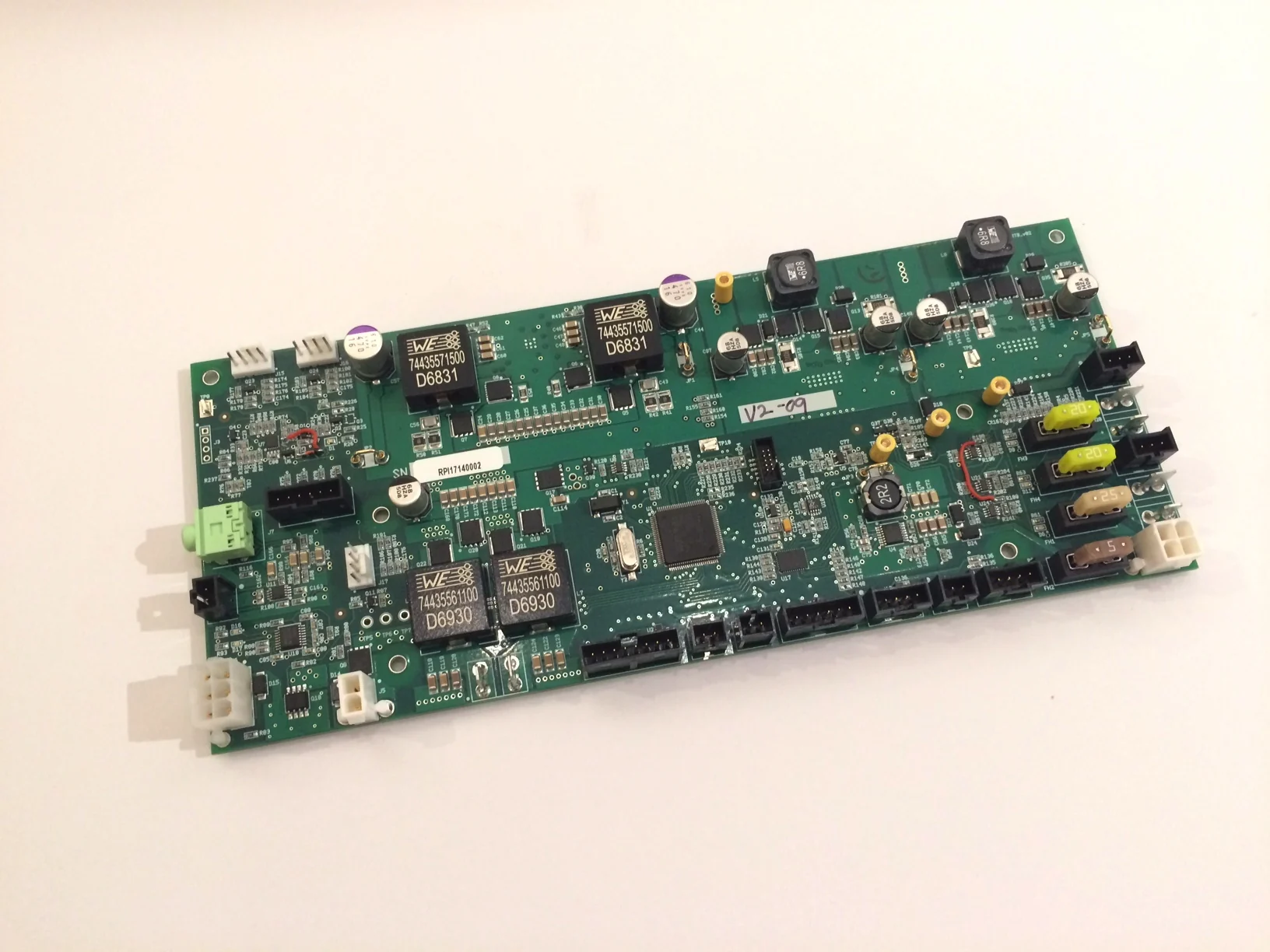
Processing, power, analog and digital sensing, actuator interfaces, and communications. Electronics architecture and board development are connected with firmware, packaging, and the wider system requirements.
Bring-up turns design assumptions into measurements: power rails, clocks, interfaces, signal behavior, and device operation. Diagnostics and test access help distinguish a hardware issue from a firmware or integration issue.
Concrete outputs: system and board architecture, schematics, board design files, BOMs, bring-up procedures, diagnostic firmware, and integration findings.
The board is part
of a bigger system.
Power distribution, sensing, processing, and communications have consequences for firmware and the physical product. Reviewing them together helps expose dependencies before the next board or prototype is built.
A useful interface.
A coherent product.
Qt-based device and desktop interfaces, mobile and web applications, APIs, device connectivity, and cloud-connected data flows. We connect user workflows with device state, commands, alarms, logging, and configuration.
Authentication, access, synchronization, data handling, and behavior when connectivity changes are considered across the software system.
Concrete outputs: interface prototypes, application architecture, communications contracts, implemented workflows, and integration tools.
Start with the function.
Make performance visible.
Software as a medical device (SaMD) and algorithm development tied to intended use, input quality, performance requirements, and testable behavior. We help turn a proposed function into an implementation and an evaluation approach.
AI/ML work is scoped around the question, representative data, model performance, failure modes, and integration constraints, with specialist expertise brought into the program where needed.
Concrete outputs: feasibility findings, data processing pipelines, evaluation harnesses, implementation, and an integration plan.
Build the product.
Build the evidence.
Requirements traceability, unit and integration tests, automated harnesses, fixtures, and system-level evaluation. Testability is considered while architecture and implementation are taking shape.
Cybersecurity work can include threat models, software component inventories and SBOMs, vulnerability assessment, update and access architecture, and remediation. Specialist testing is coordinated where needed, with findings brought back into engineering.
Concrete outputs: test methods and records, traceability, security findings, remediation evidence, and technical documentation appropriate to the program’s next verification or submission activity.
The interfaces are
part of the design.
Commands, responses, timing, state, data, and fault behavior must agree across the device. Representative hardware, instrumented testing, and shared interface definitions help make those connections visible during development.
A focused workstream.
Or a team around the system.
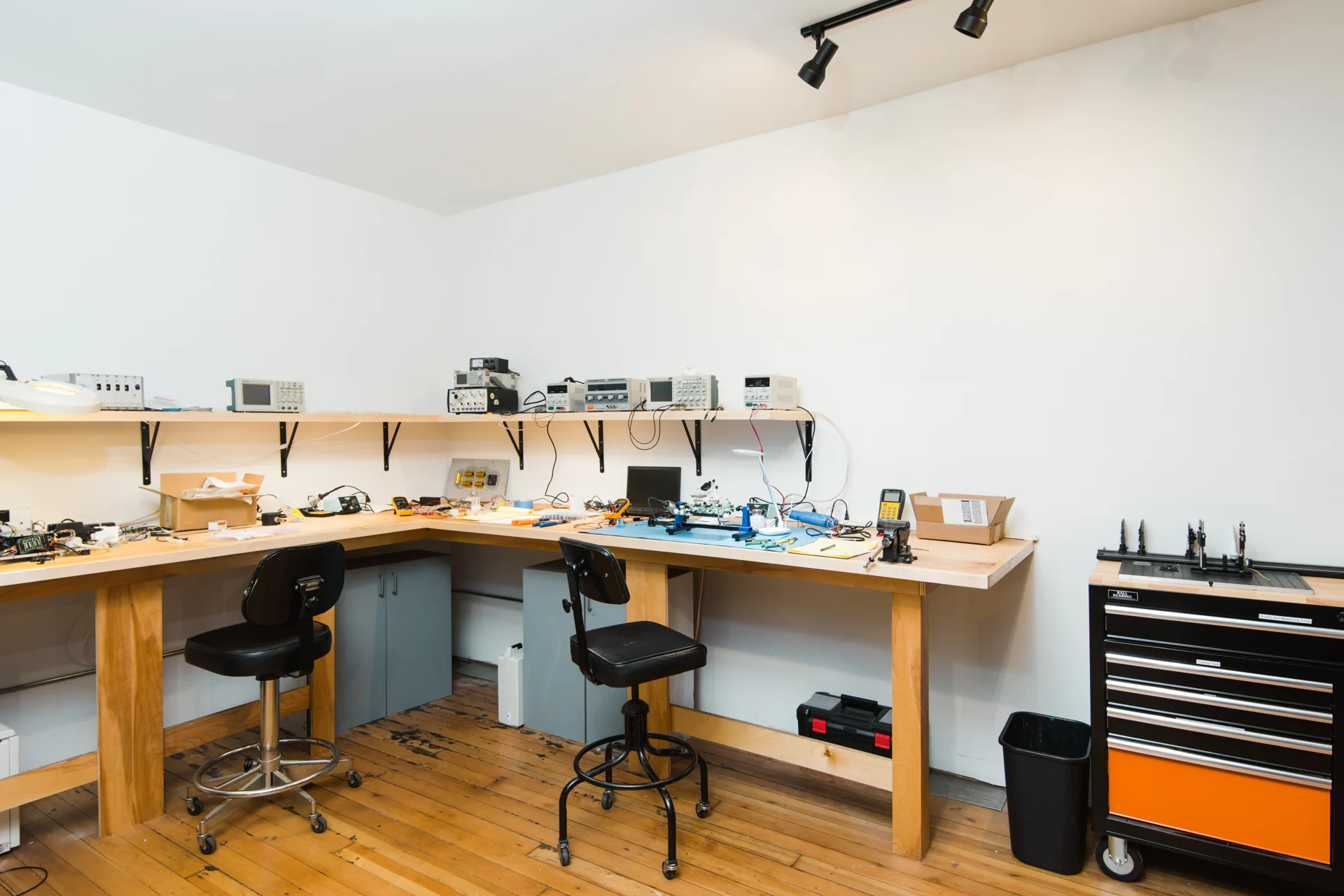
Bring us an early prototype, a defined subsystem, an architecture question, or an integration challenge. We establish the scope, responsibilities, interfaces, and expected outputs around your next milestone.
Discuss your project